Water Infrastructure Laboratory
University of Tennessee, Knoxville

University of Tennessee, Knoxville
To advance multiphysics and multiphase flow prediction in natural and built water infrastructures, and to enable robust and efficient NexGen water infrastructure design, optimization, and retrofit.
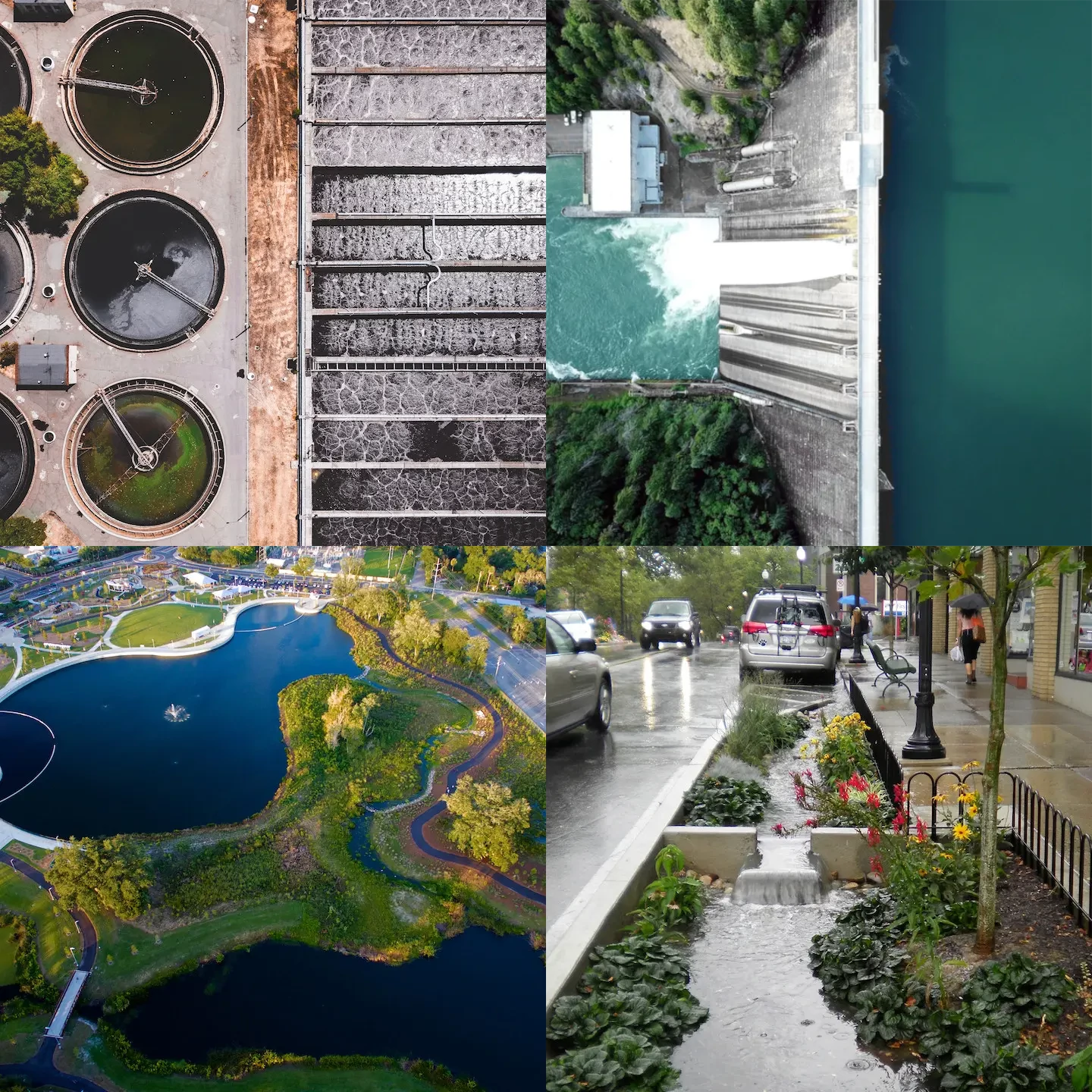
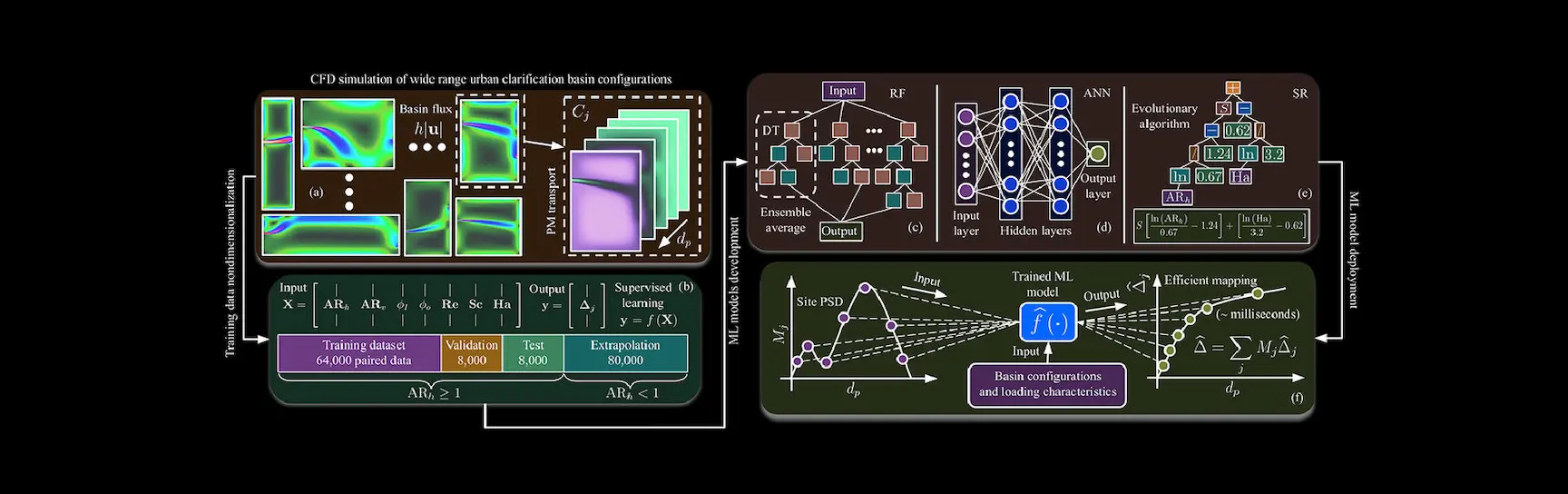
(1) leverages the high-performance computing and high-order numerical method to elucidate the underlying turbulence physics and physicochemical fate dynamics of particulate matter, pathogens, and chemicals in fluid systems; (2) develops and benchmarks a wide range of open-source computational fluid dynamics (CFD) tool for water infrastructure simulation, optimization, uncertainty quantification and vulnerability assessment; (3) integrates machine learning (ML) and CFD for robust and efficient water infrastructure optimization and retrofit, and create CFD-ML augmented frameworks for engineering practices and environmental regulations.
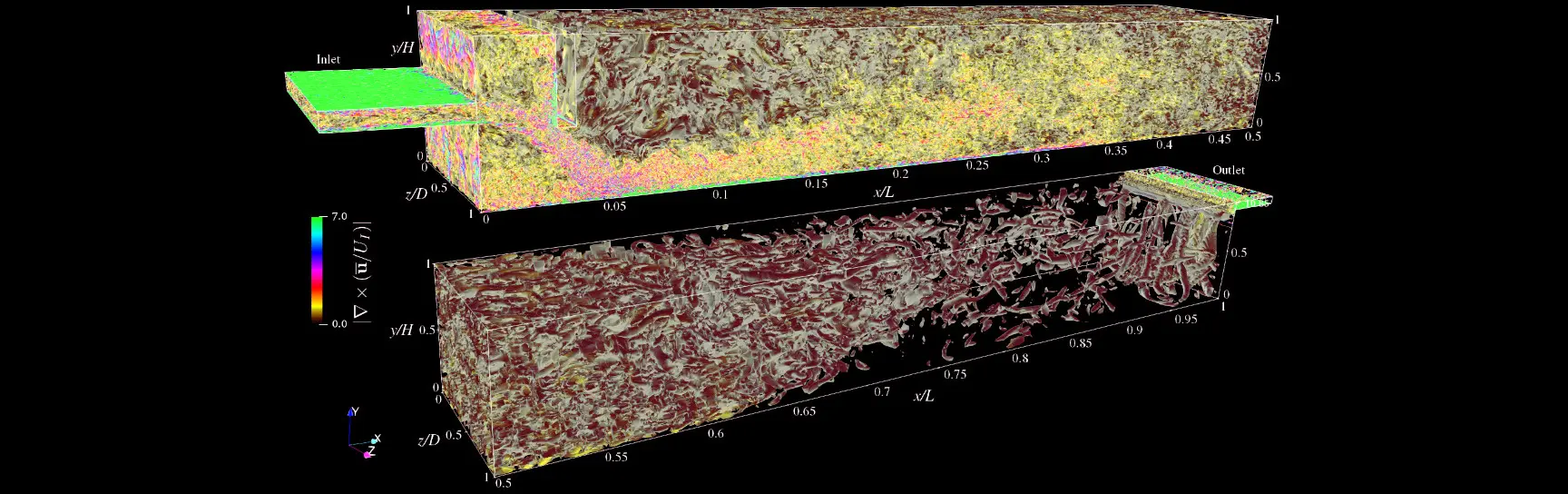
Free-surface turbulent flows over pile. VOF+DS-LES, FVM 2nd order, 40 million DOF
Turbulence structure in a hydrodynamic separator. HRT-LES, SEM 15th order, 60 million DOF
Elution dynamics in stormwater clarification basins. DA-LES, FVM 3rd order, 4 million DOF
Treatment dyanmics of clarification-filtration system under storm event. VOF+URANS+LPT, FVM 2nd order, AMR
Phosphate transport and fate in a volumetric-adsorptive reactor. interAdsFoam, VOF+URANS, FVM 2nd order, Non-equilibrium adsorption
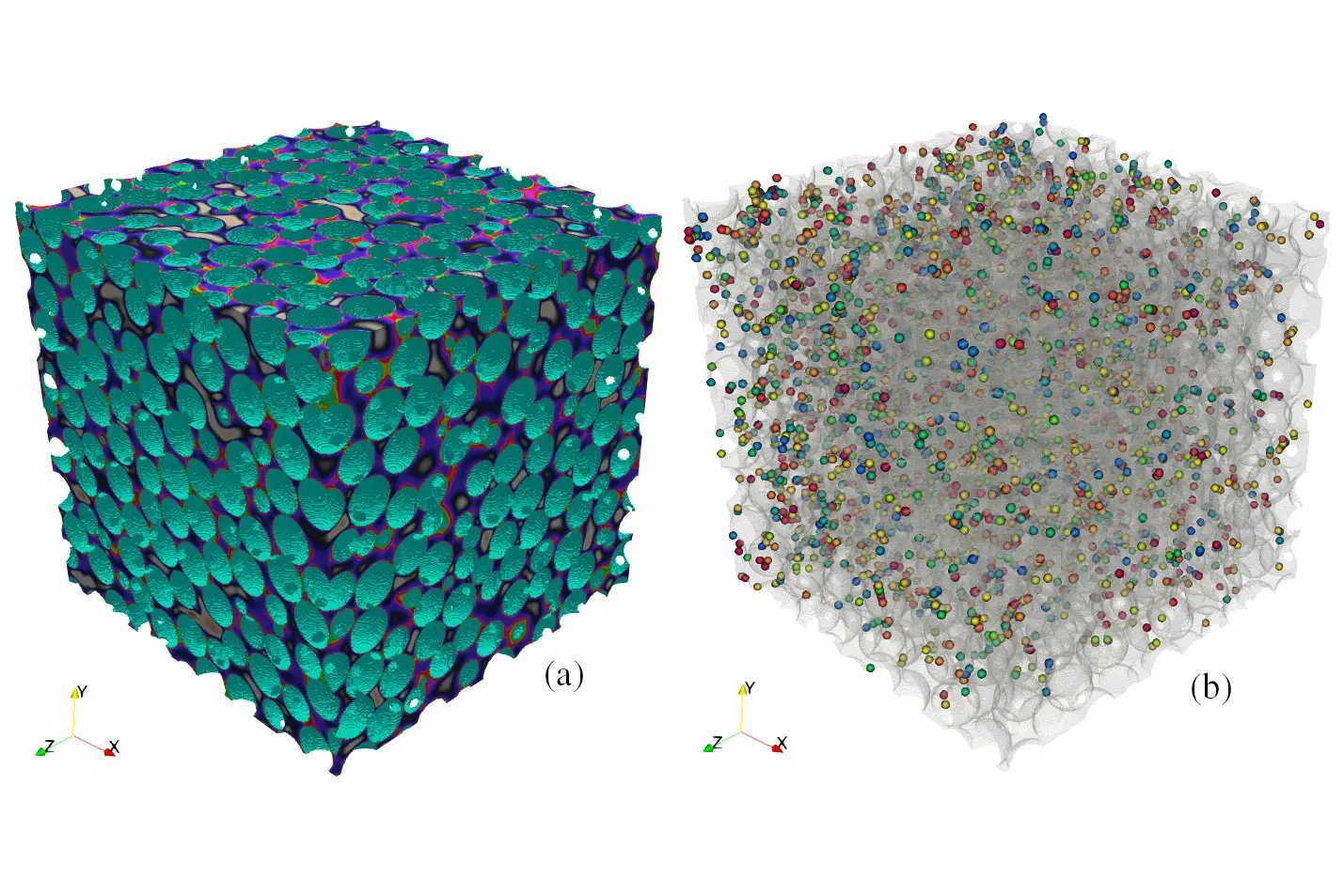
Particulate matter filtration in porous media. Pore-scale LPT, FVM 2nd order, 10 million DOF
Raw PIV image of turbulent flow in HS. 12 MP, 50 Hz, 1 ms
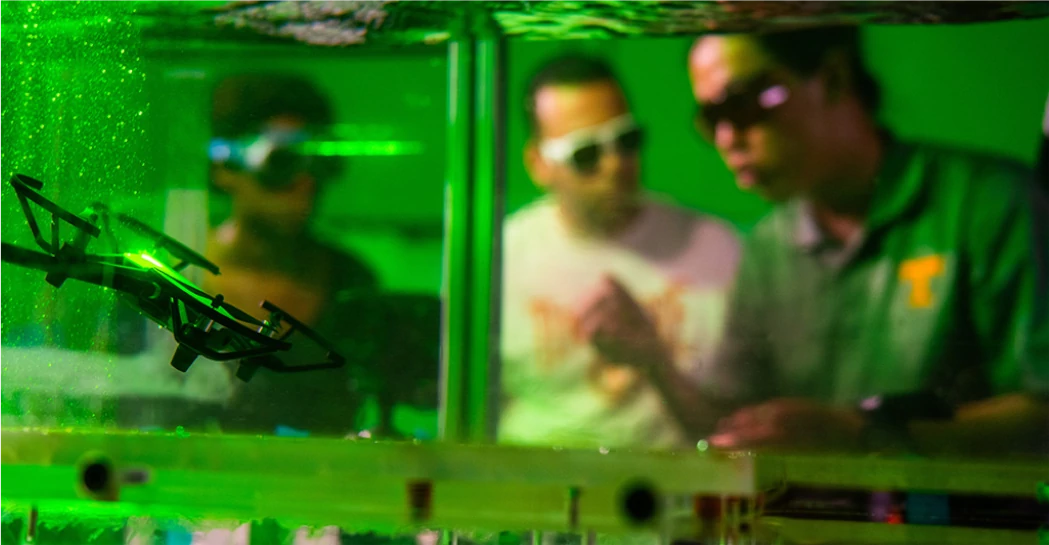
Vertical flow velocity around UAV. 12 MP, 90 Hz, 1 ms

PhD in Environmental Engineering, MS in Mechanical Engineering and Civil Engineering, University of Florida; BS in Coastal Engineering, Hohai University.
Faculty Page | Google Scholar

Researcher in AI-empowered reactive multiphase flow. PhD and MS in Mechanical Engineering, University of Florida; BS in Energy, Power System & Automation, Xi'an Jiaotong University
Google Scholar

BS in Mechanical Engineering, Alexandria University. Researcher in physics-informed machine learning and CFD.
Google Scholar

BS in Mechanical Engineering, Alexandria University. Researcher in urban hydrology.

BS in Water Resources Engineering, Bangladesh University of Engineering and Technology. Researcher in bubble dynamics and mass transfer.








Any opinions, findings, and conclusions or recommendations expressed in this material are those of the authors and do not necessarily reflect the views of the sponsors.
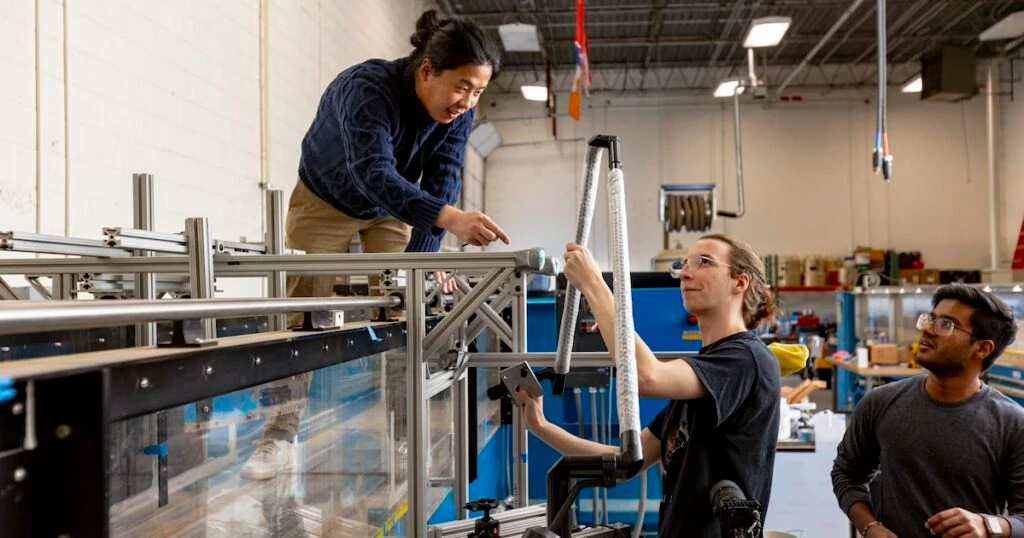
Ψ Lab is a multidisciplinary fluid dynamics laboratory in the Department of Civil and Environmental Engineering at University of Tennessee, Knoxville. Ψ Lab is equipped with state-of-the-art physical modeling facilities and numerical simulation platforms. Ψ Lab aims to transform urban water infrastructure planning and design through developing computational fluid dynamics and artificial intelligence frameworks.
Tel: +1 865-974-7731
Email: hli111@utk.edu